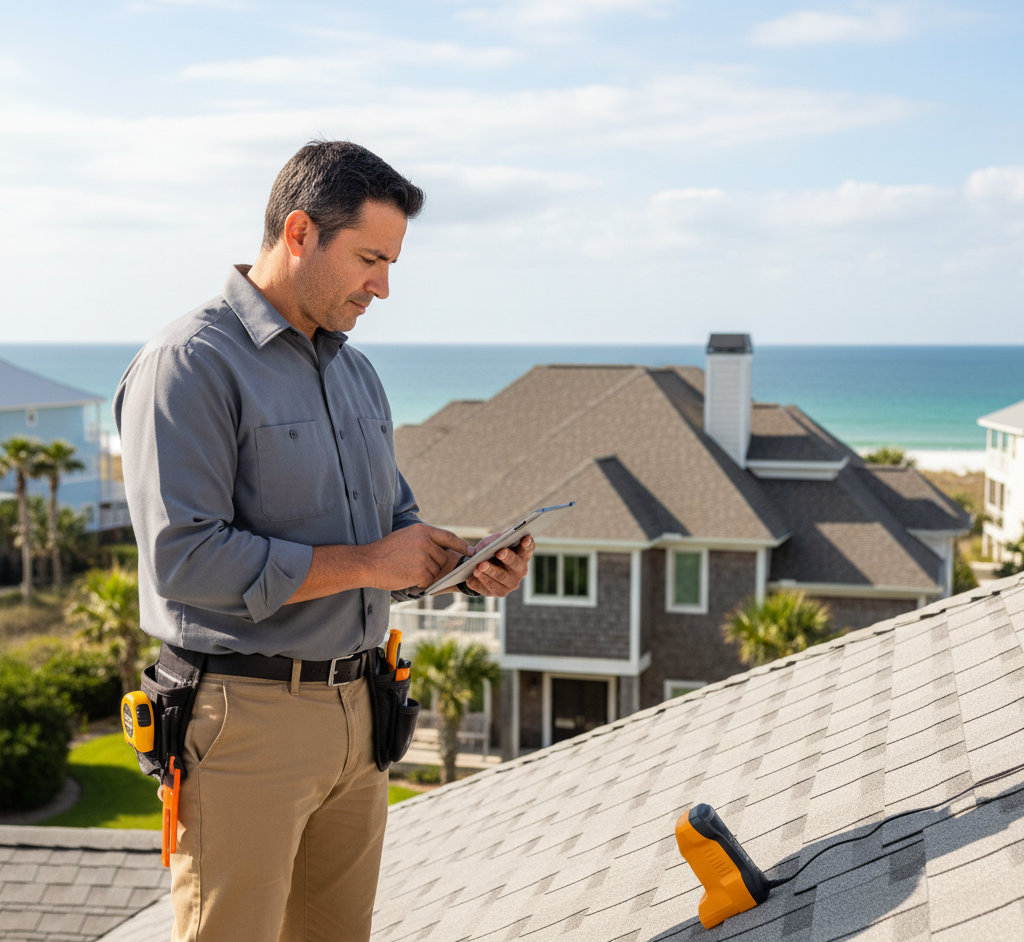
I’ve inspected cottages, condos, and coastal cottages up and down the shoreline, and one thing I always recommend is a 4-point inspection Emerald Coast before you buy, sell, or renew an insurance policy. If you’re new to inspections, a quick look from an independent agency can save you time, money, and the stress that comes with surprise repairs. For context about severe weather trends that affect the coast, check out the National Oceanic and Atmospheric Administration homepage for ongoing updates and guidance on storms and coastal risks.
What a 4-point inspection covers
A 4-point inspection is a focused review of the four major systems that underwriters care about most: roof, electrical, plumbing, and HVAC. Unlike a full home inspection, a 4-point report zeroes in on safety and replacement-age risks that influence insurance decisions. I walk through each system, document visible issues, and photograph anything that could lead to loss or liability. The goal is to give homeowners and insurance agents a clear snapshot of what might trigger a policy exclusion or a higher premium.
Roof
The roof section addresses current condition, age, visible leaks, and materials. On the Emerald Coast, salt air and wind-driven rain accelerate wear, so I look for missing shingles, compromised flashing, signs of ponding, and whether the roof is nearing the typical insurance threshold for age. Many carriers have strict age cutoffs or will require repairs before they issue or renew a policy.
Electrical
Electrical reviews focus on outdated systems, overloaded panels, aluminum wiring, and DIY fixes that pose a fire risk. I inspect the main service panel, visible wiring, and the condition of breakers and fuses. Even if the system is functioning, a dated setup can be a red flag for insurers and an expensive upgrade down the road.
Plumbing
For plumbing, the concern is water damage and failure. I look at visible supply lines, galvanized or polybutylene piping, water stains, and the condition of water heaters. Coastal homes often suffer from corrosion and brittle pipes sooner than inland properties, and evidence of leaks can mean mold and structural issues that quickly escalate in this humid climate.
HVAC
HVAC inspections include the age of the unit, how well it’s been maintained, evidence of refrigerant leaks, and the condition of ductwork. Properly functioning systems prevent mold and humidity problems and are key to insurer comfort with a property. If a unit is over its typical service life, an insurer may require replacement or offer limited coverage.
Why the Emerald Coast changes the game
Living on the Emerald Coast brings beauty and unique maintenance needs. Salt-laden air, high humidity, and hurricane exposure accelerate wear on roofs, electrical components, and metal fittings. I frequently see coastal-specific issues — accelerated corrosion, frequent roof flashing failures, and salt-induced electrical contacts — that would be invisible on an inland 4-point inspection. These regional factors play directly into insurer risk assessments and premiums.
Insurance markets for coastal Florida properties are dynamic. After several active seasons, carriers tighten requirements, sometimes asking for specific inspections or exclusions before renewing. A current 4-point inspection helps you understand where your home stands relative to insurer expectations and gives you time to plan repairs rather than face sudden nonrenewal.
When lenders and insurers ask for a 4-point inspection
There are three common moments you’ll run into requests for a 4-point inspection: when a homeowner seeks an insurer, when a lender requires it during mortgage underwriting for older properties, and when a policy is up for renewal after a claim or storm season. Insurance companies use these reports to decide if they’ll offer full coverage, a limited policy (excluding certain systems), or require repairs as a condition of issuance.
If you receive a request, don’t panic. A clear 4-point report gives you a list of the insurer’s concerns and a realistic plan for addressing them. Acting early — before a renewal notice or sale contingency — gives you leverage to schedule work, get multiple bids, and manage costs.
Practical steps I recommend before the inspector arrives
- Gather documentation on recent repairs and upgrades: invoices, permits, and manufacturer warranties for roofs, HVAC units, and major plumbing work so I can verify ages and work quality.
- Clear access to attics, service panels, water heaters, and condenser units so I can safely and thoroughly inspect the systems.
- Fix obvious safety hazards such as tripping risks or open fuse boxes — these won’t replace a formal repair but make the inspection smoother and prevent immediate fail items.
- Be present or available by phone so I can explain findings in real time and answer questions about maintenance history and past claims.
Common red flags that lead to insurance headaches
Knowing what typically fails on the coast helps you prioritize repairs. Here are the problems I see most often and why insurers care about them:
- Old roofs near or past the carrier’s age limit — insurers may decline coverage or require a roof certification or replacement.
- Outdated wiring or overloaded panels — these increase fire risk and can lead to higher premiums or mandate upgrades.
- Visible water stains or mold from undiagnosed leaks — insurers consider this an active risk and may exclude coverage or require remediation.
- Aging HVAC systems with poor maintenance records — these can cause humidity issues and poor indoor air quality, leading to more claims.
How much does a 4-point inspection cost and how long does it take
Prices vary across the region, but on the Emerald Coast you can expect a 4-point inspection to be an affordable fraction of a full home inspection. Typically, a focused 4-point inspection takes about 30 to 60 minutes for a single-family home, depending on access and property size. I provide a clear, photographed report within 24–48 hours so you can share it with insurers or lenders quickly. If repairs are needed, the report will help you get targeted quotes instead of paying for a full evaluation upfront.
Trending topics in home inspections right now
Two trends are shaping how I approach 4-point inspections on the coast: the increasing use of technology and the insurance industry’s heightened focus on climate-related risks. Drones and thermal imaging allow inspectors to document roof and moisture issues more safely and accurately, while digital reports speed up communication with insurers. At the same time, carriers are scrutinizing exposure to hurricanes, storm surge, and flood risk, which influences policy availability and pricing.
How the right inspector solves problems for you
A good inspector does more than check boxes. I translate technical findings into clear next steps so homeowners and buyers can budget repairs and avoid surprises. That means prioritizing safety issues, recommending when a licensed electrician, roofer, or HVAC tech is required, and pointing out repairs that will actually help secure better insurance terms. My reports are written with insurers and homeowners in mind: concise, photograph-backed, and action-oriented.
Actionable tips I give clients
When I finish a 4-point, I always offer practical next steps you can act on immediately to improve your position with insurers and protect your investment:
- Get dated appliances and major systems documented with receipts and installation dates to prove service life and maintenance.
- Prioritize fixes that eliminate immediate safety risks — faulty electrical panels and active leaks — before cosmetic work.
- Schedule preventative maintenance for HVAC and plumbing to extend system life and reduce claim likelihood.
Choosing the right inspector for the Emerald Coast
Not every inspector has coastal experience — and that matters. Look for someone who understands how salt air and storms affect systems and who can recommend licensed, local contractors for repairs. Ask about inspection software and sample reports to be sure the deliverable is easy to share with insurers and lenders. Licensing and professional affiliations are good indicators of credibility, but local experience and clear communication are what keep clients calm and informed.
Real-world examples that illustrate the difference
I once worked with a buyer who nearly lost a condo purchase because the insurer asked for a 4-point on an older unit. The initial report showed a roof at the end of its lifespan and minor plumbing corrosion. Because we had a timely 4-point, the buyer negotiated a small repair credit and scheduled the work before the insurer’s renewal. That proactive approach kept the home insured without major fund shifts or policy exclusions.
When to order a full inspection instead
If you’re buying a home built before 1990, planning a major renovation, or you see signs of structural issues, order a full home inspection alongside or instead of a 4-point. A full inspection covers foundation, structure, interior, and exterior systems in depth. A 4-point is best when insurers specifically request it or when you need a quick assessment of the big-ticket systems that affect coverage.
Final thoughts and next steps
On the Emerald Coast, where weather and salt accelerate wear, a targeted 4-point inspection is a smart, cost-effective tool for homeowners, buyers, and insurers alike. It gives you a clear report card on the systems that matter most to coverage and safety, empowers you to plan repairs, and often prevents coverage surprises during renewal or sale. If you want help understanding a report or need a timely inspection before a policy decision, I can walk you through the process and explain options for repairs and upgrades. For fast, local service on the Emerald Coast, reach out to Brinks Home Inspections.